Main Menu
Flintlock Pistols

Japanese Swords
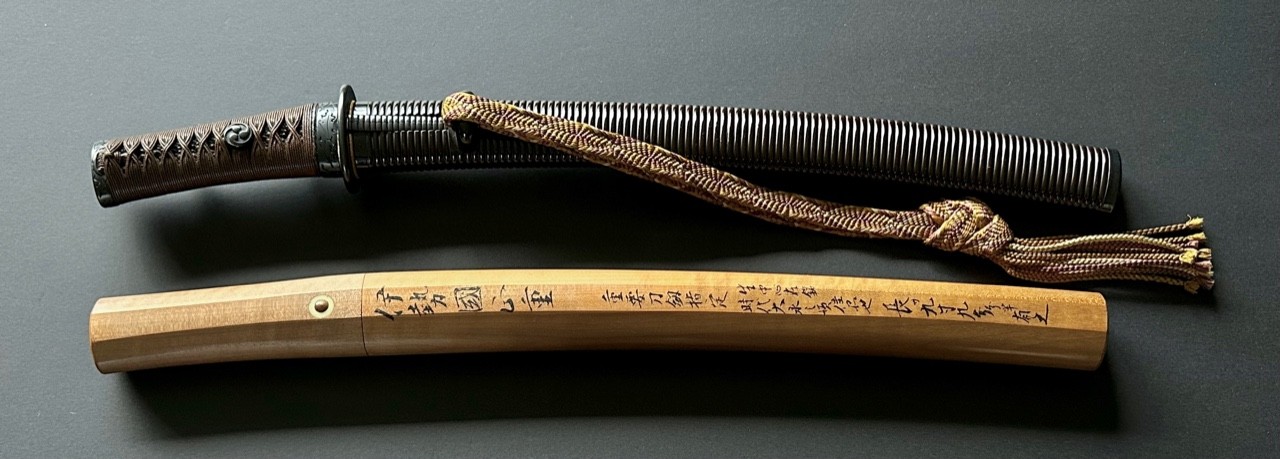
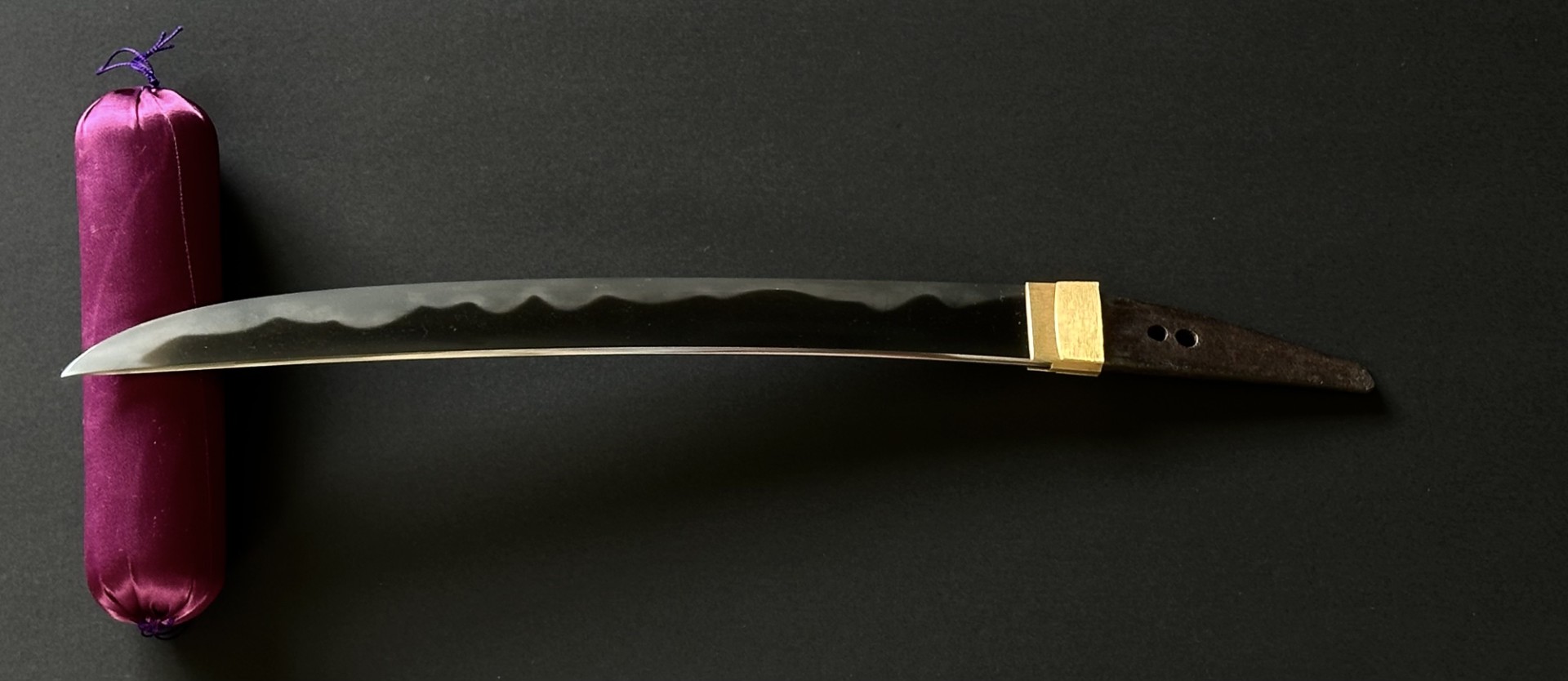
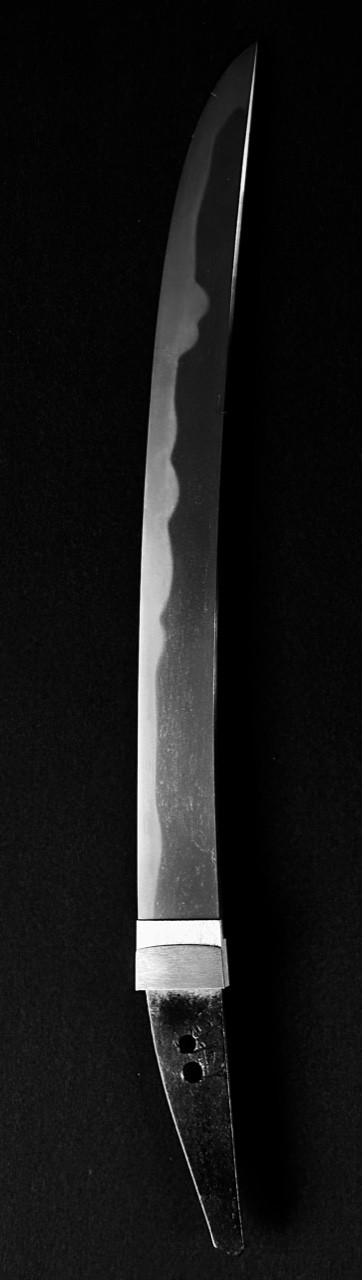
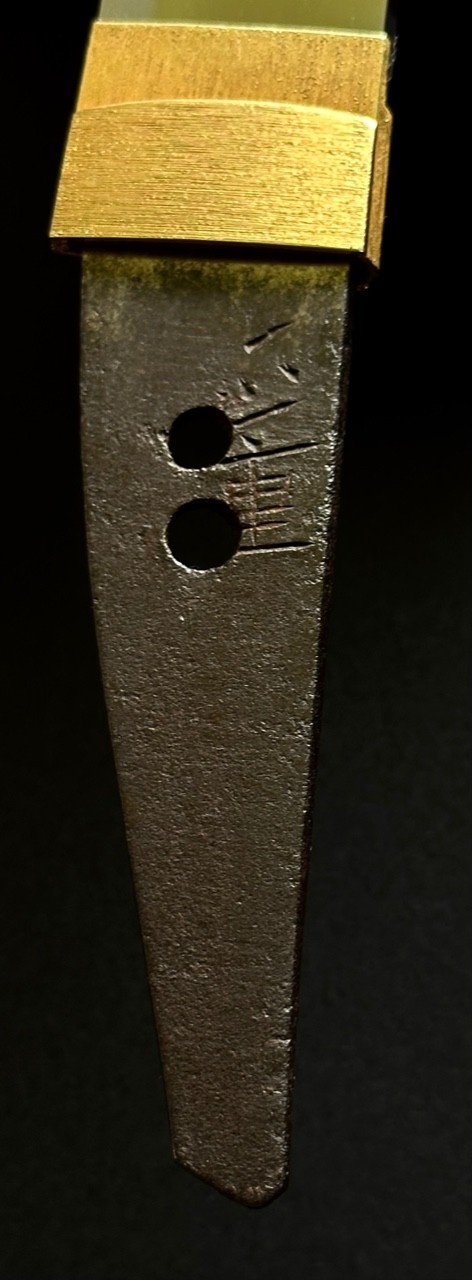
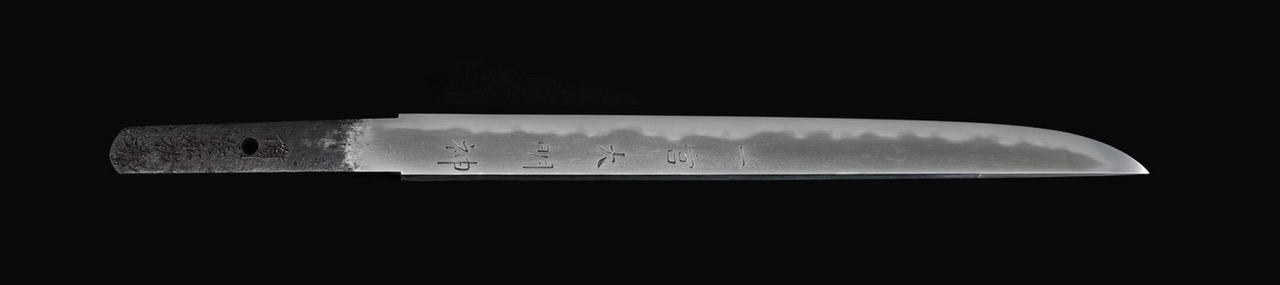
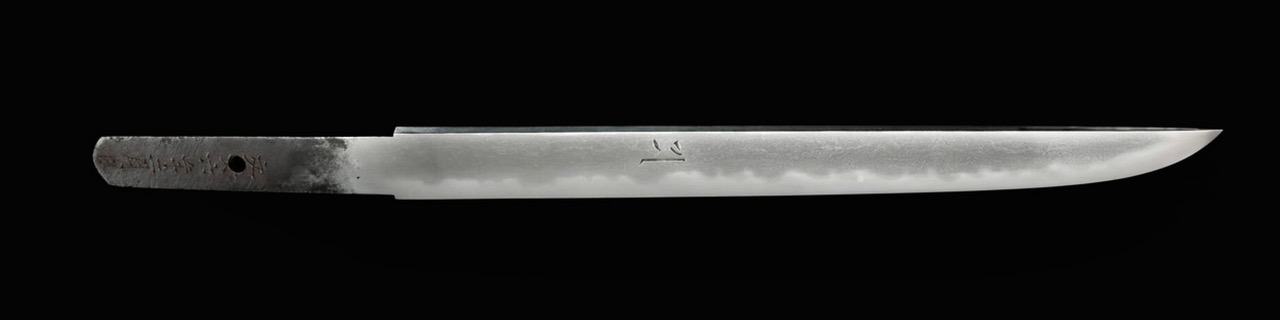
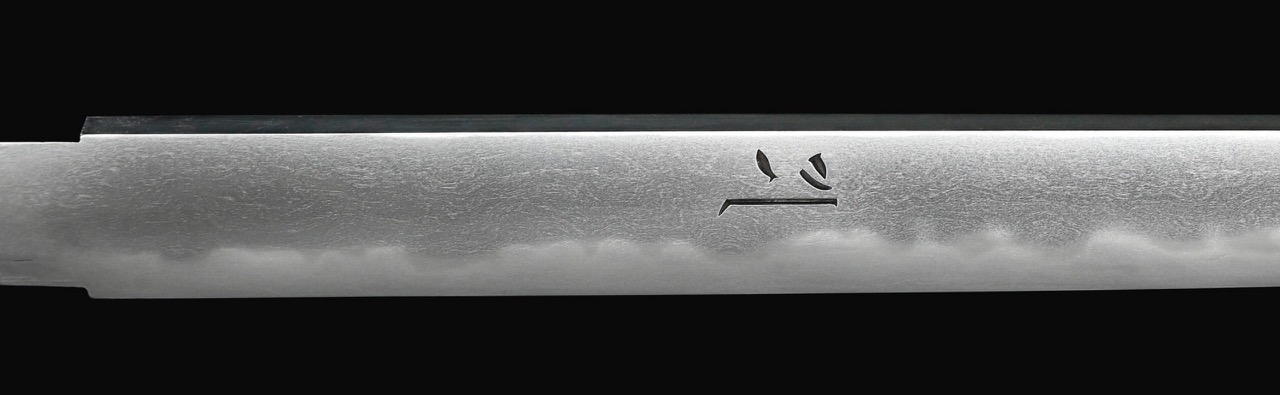
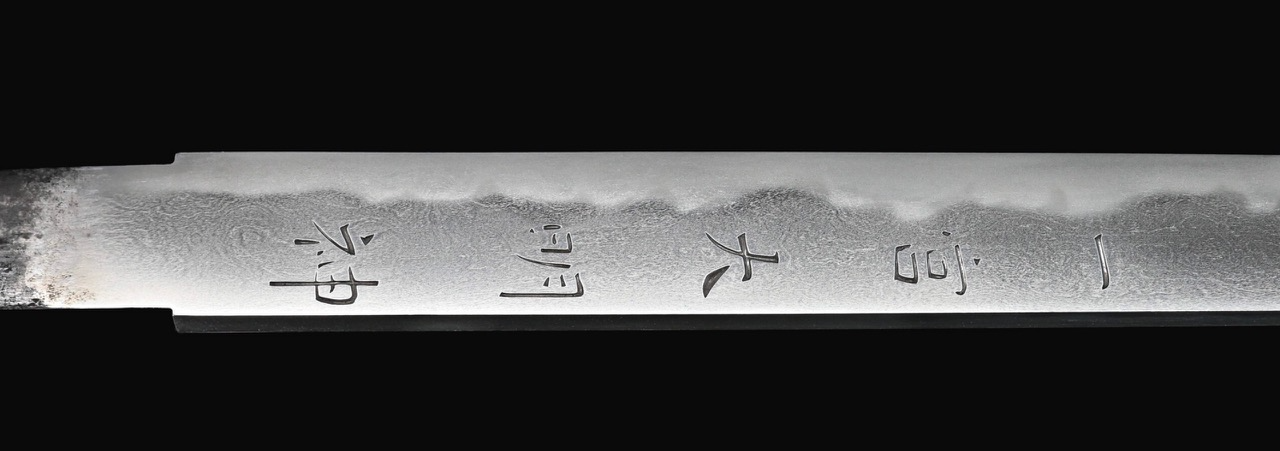
HISTORIC TANTO BY SENGO MASASHIGE with Outstanding Mid Edo period Issaku Kanagu Koshirae
 | |||||
 | |||||
 | |||||
 | |||||
 | |||||
 | |||||
 | |||||
 | |||||
 | |||||
 | |||||
 | |||||
 |
 |
 |
|||
Juyo Explanation
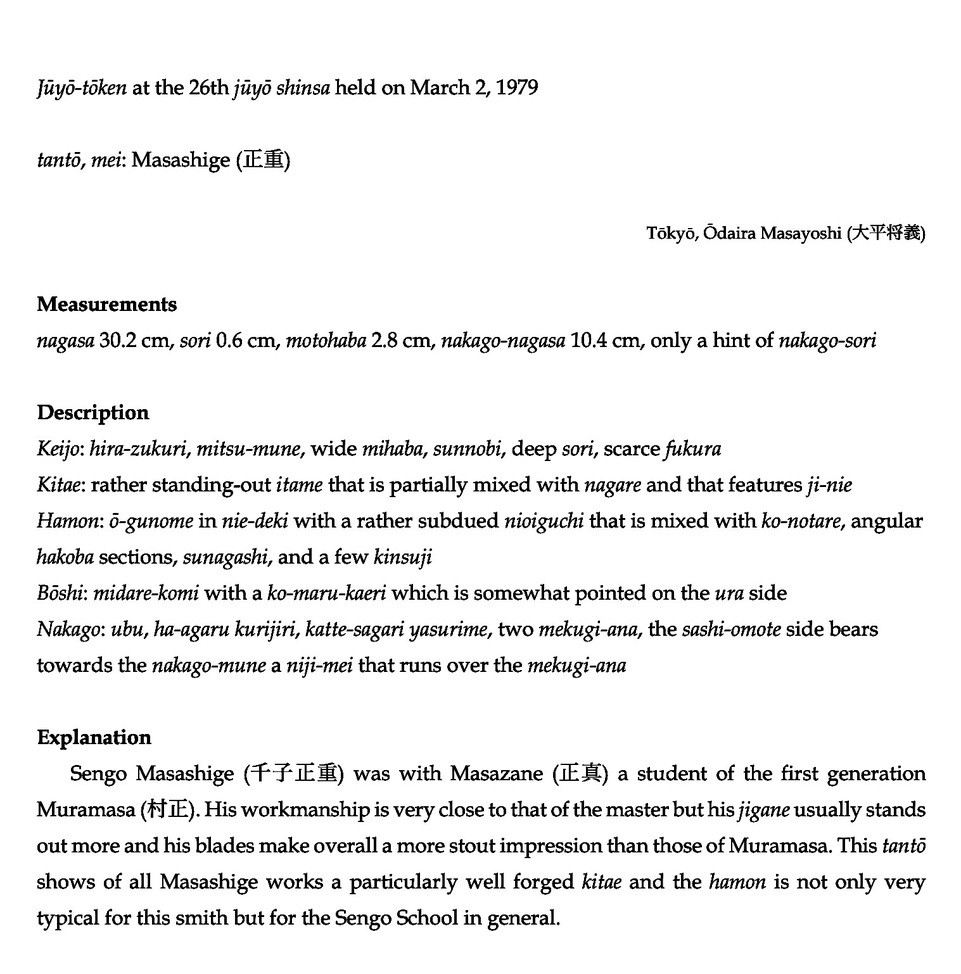
Additional Historic Information on MASASHIGE Tanto
The Hon'ami family tradition of Sword polishers ( Togishi ) and sword appraisers is legendary and served Tokugawa Ieyasu family for 300 years. They are considered in Japan as the supreme authority on Japanese Sword appraisal and supreme polishers of swords.They are renowned for their mastery in polishing and preserving blades and working on extremely rare , national treasures and important cultural property Swords.
In addition their Sayagaki which are in calligraphy are highly sort after and represent the high quality of Swords.
Honami Nisshu was a highly esteemed and respected member of the prestigious Honami family renowned for their expertise in the appraisal, polishing and care of highly valuable and famous Japanese Swords. The Honami family were the premier school of Togishi ( sword polishers ) and appraisers since the Nanbokucho period (1336-1392) establishing the appraisal and maintenance and aesthetic appreciation of Nihonto.
Hon'ami Nisshu was a highly respected Sword Polisher and appraiser from the Hon'ami family known for his expert Sayagaki (inscriptions in calligraphy on Shirasaya, (storage scabbard) He was recognised as one of the great masters of the Hon'ami family. ( 1908-1996)
Translation of Sayagaki on MASASHIGE Tanto :
Hesei 7 Year of the Boar April, National Treasure Sword Polisher Honami Nisshu
Ubu Nanakago, Zaimei, Juyo Token , Jidai Daiei era, Very Fine Workmanship Length 9 sun 3 bu
Finding an authentic Masashige Tanto with NBTHK Juyo Token certification for sale is extremely rare, as these are considered to be important cultural objects and are held in private collections and museums. This Tanto by Masashige is Meito ( Famous Blade and a Masterpiece) The NBTHK are extremely careful in issuing Juyo Certificates for Muramasa and Masashige as the greater majority of swords were destroyed during the Sengoku era ( warring states ) in Japan 1573-1603. And also gimei (fakes are common), excerpt is by Ogasawara Nobuo Sensei, former curator of Nihonto of the National Sword Museum in Ueno,Tokyo, Ogasawara Sensei was also a book writer and devoted his life in the research of Nihonto, Tosogu. Born 1939 - 2018, he was widely recognised for his scholarly contributions particularly his work related to the Tokyo National Sword Museum and his publications that serve as essential reference's for students and collectors of Japanese Samurai Swords and Sword fittings.
I was a student and friend of Ogasawara Sensei for many years when I lived in Japan, and his guidance contributed to a wealth of knowledge.
Price On Request (terms & conditions)
HISTORIC WAKIZASHI BY KUNIKIYO 1st Generation Saijo Saku with Horimono
 |
 |
 | |
 | |
 | |
 | |
 | |
 |
 |
Juyo Explanation
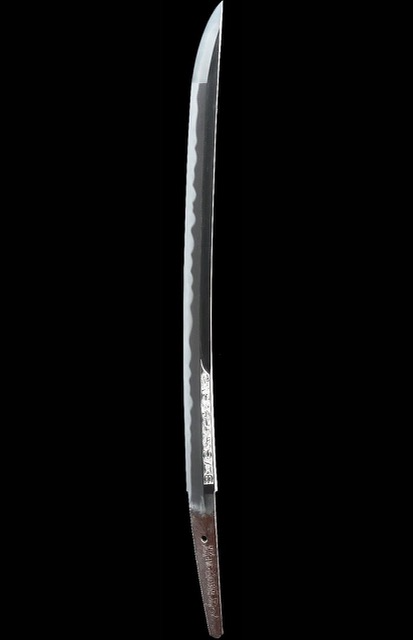
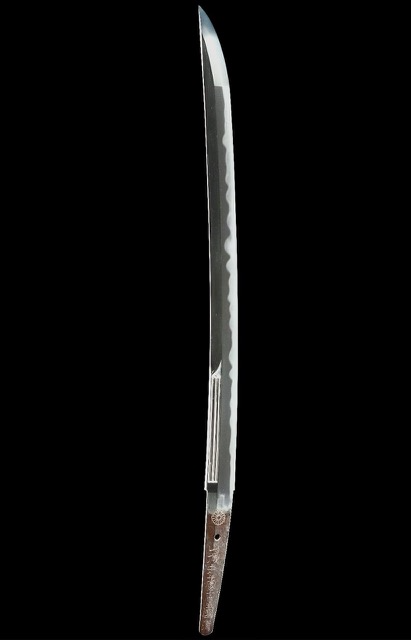
Echizen provinceKan'ei era(A.D.1624-1643, early Edo period)
YAMASHIRO No KUNI KUNIKIYO Shodai ( First Generation, with Kikumon ) Saijo Saku , Most skilled Swordsmith.
About 400 years ago
Hacho (Edge length) 53.2㎝ Sori (Curvature) approx. 0.91㎝
Moto-haba (Width at Ha-machi) approx. 3.36㎝
Saki-haba(Width at Kissaki) approx.2.91㎝
Kasane (Thickness) approx. 0.73㎝
Engraving: "Naginata-hi ni Kurikara" on the right face (Omote)
"Naginata-hi ni Goma-bashi" on the back face (Ura)
"Kiri-mon" engraving, pure gold double Habaki
Shirasaya (nested style)
Certification : NBTHK JUYO TOKEN ( This KUNIKIYO is of the highest level of Juyo )
In the context of the NBTHK (Nihon Bijutsu Token Hozon Kyokai), a Juyo Token (重要刀剣) is a certification for Japanese Swords indicating, that they are of important artistic and historical value. It signifies that a sword is exceptionally well-preserved, of high quality, and deemed worthy of preservation by the NBTHK. This certification is a significant step above the "Hozon" and "Tokubetsu Hozon" levels, and is highly sought after by collectors.
Historical information on YAMASHIRO No KUNI KUNIKIYO Shodai ( First generation with Kikumon )
His home was Shinshu (Shinano no Kuni ) Matsumoto, he served MATSUDAIRA TADAMASA and moved to Echigo Takada, and he further followed TADAMASA and moved his residence to Echizen Fukui in Kan’ei Yon nen Nigatsu (1627) https://en.wikipedia.org/wiki/Matsudaira_Tadamasa He was invested Yamashiro no Daijo, and was given the family name of Fujiwara and the 16 petal Kikka Mon which was carved on the top of the Nakago off his Swords. He was then listed as "KIKU KUNIKIYO" in various record’s of these time’s KUNIKIYO specialised in Suguba Hamon’, however works with Midareba Hamon are very rare and this Wakizashi by Kunikiyo has a magnificent Midareba hamon. Midare hamon is a visual signature of a master sword smith's skill and here we have a Meito ( Masterpiece ) Wakizashi. "Saijo Saku" (最上作) denotes the highest level of Sword smithing skill, representing the “supreme” or Grandmaster level of workmanship . Here we have an absolute rare and beautiful , powerful Wakizashi that stands out above the rest.Matsudaira Tadamasa - Wikipedia
 | |
 |
Sayagaki obverse:
第⼗九回重要⼑剣指定品
⼭城守藤原国清
七字銘ニ加ヘ菊紋与鍛南蠻鐡釼ノ添銘有之
刃⻑壱尺七⼨五分半
峕令和壬寅秊松⾵⽉探⼭識「花押」
Dai jūkyū-kai Jūyō-Tōken shitei-hin
Yamashiro no Kami Fujiwara Kunikiyo
Shichiji-mei ni kuwae kiku-mon yo kono ken nanban-tetsu o kitaeru no soe-mei kore ari.
Hachō isshaku shichi-sun go-bu han
Toki ni Reiwa mizunoe-toradoshi matsukazetsuki Tanzan shirusu + kaō
Jūyō-Tōken in course of 19th Jūyō Shinsa
Yamashiro no Kami Fujiwara Kunikiyo
This blade bears a seven-character signature, a chrysantyemum crest, and is additionally
inscribed that it was forged from nanban-tetsu.
Blade length ~ 53.2 cm
Written by Tanzan [Tanobe Michihiro] in June in the year of the tiger of the Reiwa era (2022) +
monogram.
Sayagaki reverse:
初代国清也幅廣・⼤鋒デ重ネ薄ク腰元ノミ重ネ厚キ形態ヲ⾒セ精強ナル⼩板⽬ノ肌合ニ⼤互乃
⽬乱ヲ焼キ沸匂深厚⽽匂⼝ガ明ルク冴ヘ同⼯ニ多ク経眼スル直刃デナク⼤互乃⽬ヲ焼キタルガ
注⽬サレ然モ出来ガ傑出シ乱刃ノ最⾼ノ⽔準ヲ⽰ス者ナラン倶利迦羅ノ浮彫モ巧技也
Shodai Kunikiyo nari. Haba-hiro, ō-kissaki de kasane usuku koshimoto nomi kasane atsuki keitai o mise seikyō-naru ko-itame no hada-ai ni ō-gunome-midare o yaki nie nioi shinkō shikamo nioiguchi ga akaruku sae dōkō ni ōku keigan-suru suguha de naku ō-gunome o yakitaru ga chūmoku-sare shika mo deki ga kesshutsu-shi midareba no saikō no suijun o shimesu mono naran. Kurikara no ukibori mo kōgi nari.
This is a work of the first generation Kunikiyo. It is of a shape with wide mihaba, ō-kissaki, and thin kasane, with just the base displaying a thick kasane. The forging structure is a fine and powerful ko-itame and the hardening is a nie-laden ō-gunome-midare with a wide, bright, and clear nioiguchi. Thus, it has to be pointed out that most works of Kunikiyo are hardened in suguha, whereupon this blade displays, as indicated an ō-gunome. The deki is excellent and we have here what can be regarded as the highest level seen with a midareba. In addition, the relief of a kurikara is skillfully engraved as well.
Price On Request (terms & conditions)
MASTERPIECE BIZEN JUYO TANTO BY SUKEMITSU WITH SPLENDID KOSHIRAE
 |
 |
 |
 |
 |
 |
 |
 |
 |
 |
 |
 |
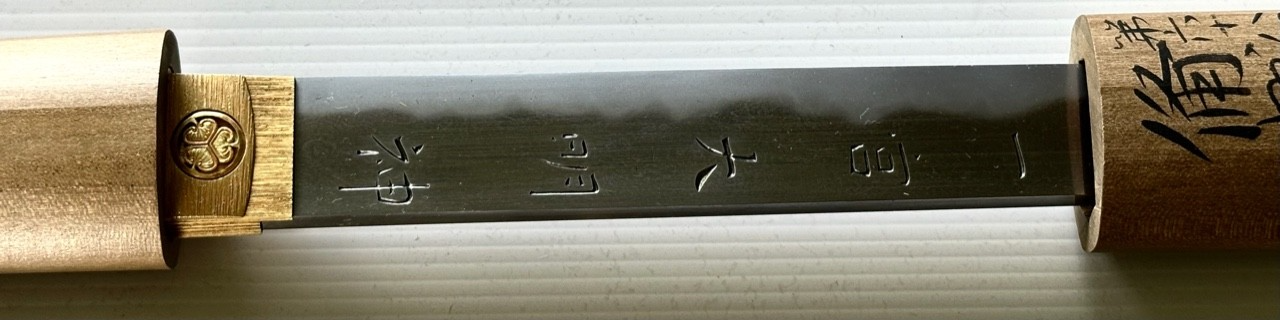
Rokurozaemonnojo Sukemitsu
Signed Bishu Osafune Sukemitsu
Dated Feb 1449 (6th year of Bunan)
NBTHK 68th Juyo Token Certificate
Details
Length 27.3 cm
Curvature 0 cm
Base Width 2.46 cm
Solid Gold two piece Habaki
With 3 mons carving
68th Juyo Token
Bishu Ju Osafune Sukemitsu, dated 1449
6 character and Bunan dated, Rokurouzaemonnojo length 8Sun9Bu first Generation
Sukemitsu, and Norimitsu are representatives of next generation of Oei period swordsmiths.
The style is following the Oei Bizen style,
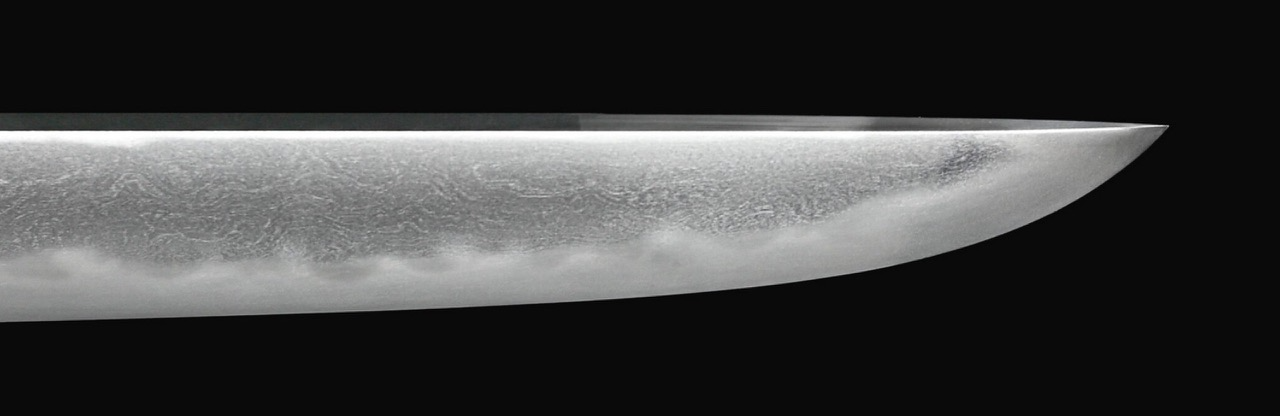
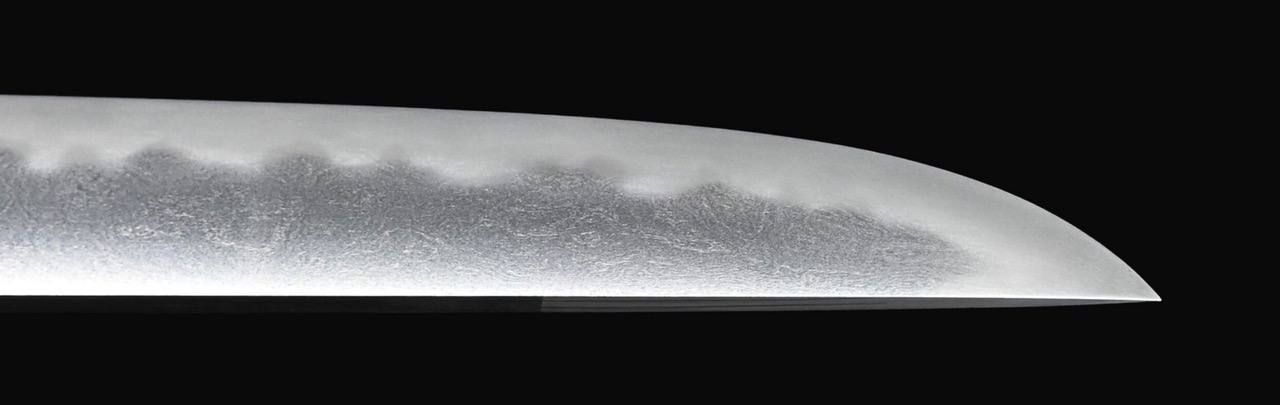
open waist style of hamon including Gunome, including Choji and Sugu-Utsuri appear, typical style and also wonderful carving too, this is a masterpiece by the first generation Sukemitsu.
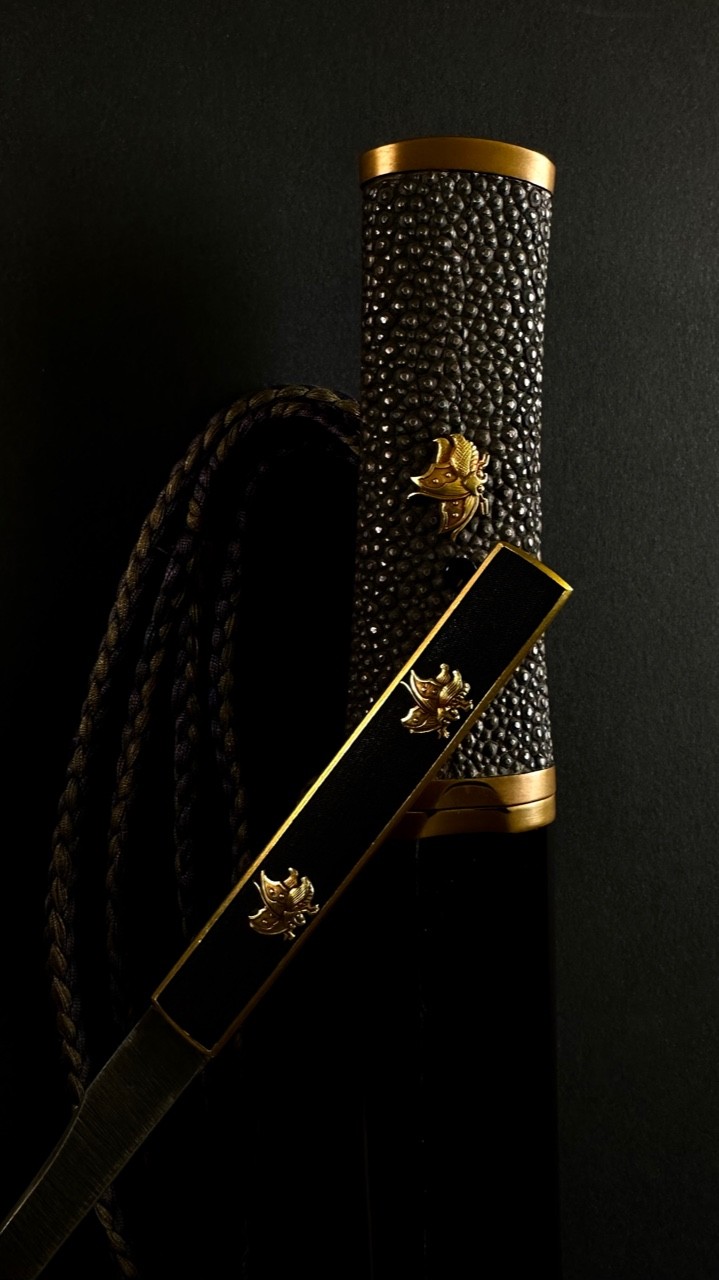
(黑蝋色塗揚羽蝶文蒔絵鞘合口短刀拵)
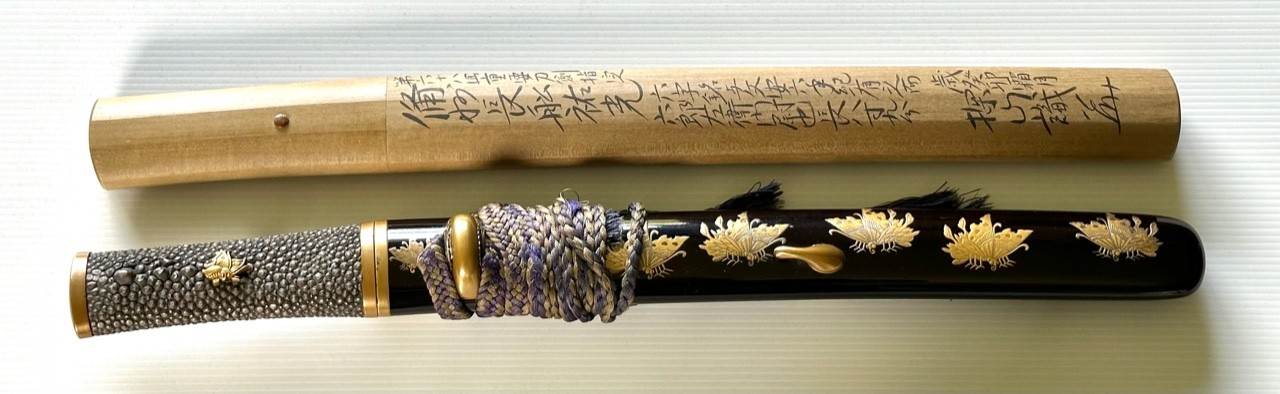
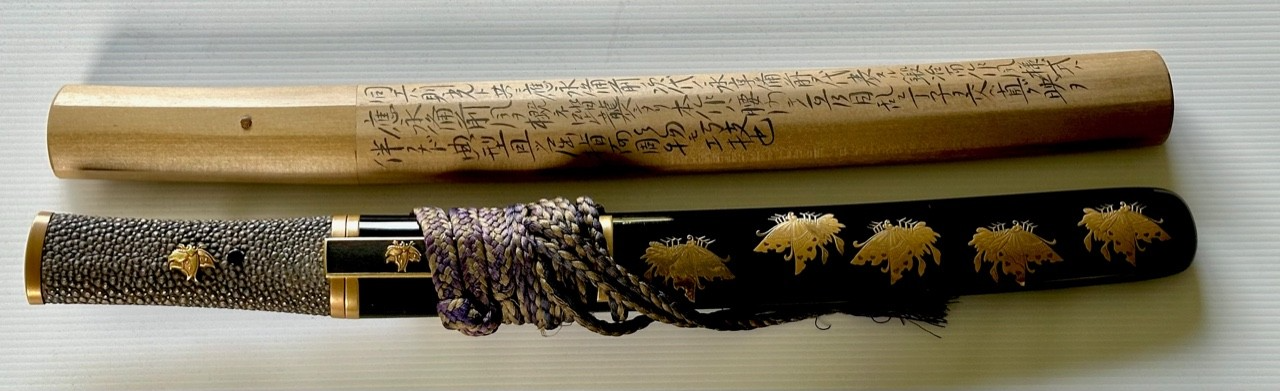
Aikuchi-style tantō-koshirae featuring glossy black lacquer saya with makie décor of swallowtail butterflies.
Late Edo period.
Overall length of koshirae ~ 43.0 cm
Length of hilt ~ 11.2 cm; length of saya ~ 31.8 cm
Blade length ~ 26.6 cm; only a hint of sori.
Length of tang ~ 8.5 cm
Motohaba ~ 2.4 cm; kasane ~ 0.4 cm
Obverse of kozuka of shakudō with nanako ground and gold takabori-iroe décor. Back plate gilded.
Menuki of pure gold and interpreted in katachibori.
Saya in glossy black lacquer featuring raised gold and silver powder makie décor of swallowtail butterflies.
Horn elements gilded with gold powder
Hilt unwrapped and covered with same lacquered with silver powder.
Twofold gold-foiled habaki with base.
[Picture of obverse and reverse of koshirae.]
[Details of swallowtail butterflies makie décor, kozuka, and menuki. For original size, see cover.]
It appears that this mounting was handed down by a warrior related to the Ikeda (池田) family. We have here an aikuchi-tantō-koshirae featuring ensuite kozuka and menuki fittings displaying swallowtail butterfly crests and a saya with a gorgeous makie décor of the same motif. The koshirae appears to have once mounted a renowned Kotō blade, possibly a Kamakura period Yamashiro work. The kozuka is of jet-black shakudō with beautiful nanako surface and is decorated with brilliantly shining gold swallowtail butterfly crests carved in takabori relief and set into the plate. Such a contrasting combination of a black ground and gold décor was typical for Daimyō fittings. The highly tasteful purplish-grey color of the same-covered hilt lacquered in silver powder and being unwrapped, just featuring solid gold menuki of swallowtail butterfly crests appears to follow the same contrasting decorative approach. The makie décor on that is found on both sides of the saya is slightly raised, and the swallowtail butterfly crests, for which gold powder with slightly different hues and silver powder was used, are oriented in different ways. The result is flamboyant, yet highly dignified, and the mounting has a very bewitching charm. The gold- foiled habaki with base is contemporary to the koshirae, which adds to the value of this object.
THIS ITEM HAS BEEN SOLD.
HISTORIC KATANA BY SEKINO MAGOROKU KANEMOTO
 |
|
 | |
 | |
 | |
 | |
 | |
Signature of Sekino Magoroku Kanemoto | |
“ Kanjo” Kanemoto ( Sekino Magoroku Kanemoto). This is a very famous and published Sword with outstanding Higo Uchigatana Koshirae Adorned with Gold Mons and History attached with it. The Katana was owned by Tani Tateki 1837-1911. ( Kanjo ) It is presented with Juyo Token certificate from the NBTHK, 17th Juyo Shinsa held July 4th, 5th and 6th 1968 ( Showa 43 ). Sekino Magoroku Katana are extremely rare and very few are in existence . This Katana is at the pinnacle of Japanese Swords, and was made at the most turbulent era in Japanese History. Blades forged by Sekino Magoroku were chosen and used by many Daimyo like Toyotomi Hideyoshi , Takeda Shingen, Kuroda Nagamasa, Maeda Toshimasa and Aoki Kazushige. The Kanemoto blade that Aoki Kazushige used was handed down to the Niwa family has been designated as Juyo Bijutsu Hin ( Highly Important Sword )in 1939. Sekino Magoroku was revered for his outstanding ability in forging blades and superb sharpness and cutting ability.
Magoroku Kanemoto (孫六兼元) worked in Akasaka in Mino Province around the beginning of the sixteenth century. He flourished during the Eishô (永正) era (1504-1521) and the Daiei (大永) era (1521-1528). He was the son of the first generation Kanemoto (兼元). He was also a contemporary and sworn brother of the second generation Izumi no Kami Kanesada (和泉守兼定) who was also known as Nosada. They say that being a sworn brother is a stronger tie than being a brother by blood. Together these two smiths are recognized as being two of the premiere Mino smiths during this era of sword making.

Price On Request (terms & conditions)
KANETO TANTO and KOSHIRAE
 |
 |
 | |
 | |
 | |
 | |
 | |
 | |
 | |
 |
|
 |
|
Mino no Kuni Kaneto Tanto with Edo Period Koshirae
Mino Sword smiths were famous, amongst them Sekino Magoruku Kanemoto, Nosada ( Kanesada ) who were well known and respected. Kaneto also worked in that turbulent period of Japanese History. His works are very rare as are the other two aforementioned Sword smiths and rarely ever come up for sale outside of Japan.
Era : Muromachi Jidai (Era)
Hacho : ( Edge length ) 27.5 cm , slight curvature.
Moto-haba : (Width at Ha-machi ) 2.8cm
Kasane : (Thickness) 0.6cm
Meguki Ana : ( hole in Tang) 1
Nakago : Ubu ( Unaltered, original)
Mei : KANETO - He Lived in Seki, MINO 1504-1521 ( Muromachi Jidai )
Hamon: Ko Nie Deki Midare
Jitetsu : Ko itame hada and komokume hada, jinie, shirake utsuri.
Habaki is Silver over copper
Overall condition of Tanto is perfect.
Overall condition of Koshirae is perfect.
KOSHIRAE : (Ornate mountings )
Finally crushed Abalone shells incorporated into the lacquer of this Tanto scabbard give it a green , shimmering finish, the period fittings are off the same design and certified.
Explanation : This Tanto comes from a turbulent part of Japanese Samurai History, Mino Sword smiths were renowned for their Sword making. Mino no Kuni was a province that is today called southern Gifu Prefecture . There were many famous Sword smiths working in Mino amongst them Sekino Magoroku Kanemoto, and Nosada who were well revered. Tanto by KANETO are very rare and this is the first time I have had the opportunity to find one and make it available for collectors, it comes from a Japanese collector. The Hamon is balanced on both sides and it is polished in Sashikomi polish ( The classical style ) exhibiting a beautiful uniform hamon on both sides of the blade. The Hamon of the Kissaki ( Boshi ) is beautiful on both sides and adds an expression to the Tanto. I highly recommend this Tanto and Koshirae as an important part of Japanese Samurai History.
Certification : NBTHK Hozon certificates for Tanto and also Koshirae ( double certificates ) verifying the authenticity.
Price On Request (terms & conditions)
Tanto signed NAGAYOSHI HEIANJO
Yamashiro Eisho era about 1510年前 Edge length: 23.6㎝ Curvature:Minimal
Thickness:5.3mmEngraving: Front[Suken inkoku] Back[Sen shu raku]
Back of the edge called Mune [Bohi]
Shirasaya:Sayagaki by Dr.Kanzan Sato
Gold foil single Habaki
Koshirae : Black Aikuchi Koshirae with Black Same Tsuka
Fittings : Mumei Mukade Menuki ( Centipede ) and Mumei Mukade Kozuka from late Muromachi Period. Koshirae is in exceptional condition.
Registered in 1951 in Tokyo
NBTHK Tokubetsu Hozon Certificate
Nagayoshi was a sword smith who was good at engraving works like Suken, Bonji, Japanese-characters etc. His home was Yamashiro province. It was said that there were some Nagayoshi generations from Ouei-era to Eisho-era. This Tanto is attributed to the fifth generation Nagayoshi. He forged a lot of pieces in Yamato province, Mikawa province and Ise province. You may know that the famous Sword Smith Muramasa in Ise province was trained under 5th generation Nagayoshi. This Tanto shape is really elegant and balanced well with 「千秋楽」Senshuraku engraving. And I have never seen the engraving ( groove ) on the back of edge ( Mune ). I am not sure why Nagayoshi did it on the Mune, but it might be the blood flowing channel, this is extremely rare. HEIANJO NAGAYOSHI 5th Generation Tanto are extremely rare. This Tanto has been preserved in perfect condition as is the Koshirae.
I can feel the threatening atmosphere in this engraving. It was a Tanto which had a purpose to protect the owner. The Suken on the front-side is a perfect Yamashiro style Suken. You can find the top of Suken wider and it was positioned along the Mune-side. These are specific points of Yamashiro engraving. It has a Japanese calligraphy note by Kanzan Sato “It was forged by Heianjo Nagayoshi but it is the Nijimei Nagayoshi signed piece”.
Price On Request (terms & conditions)
 |
 |
 |
 |
 |
 |
Koshirae: Black Aikuchi Koshirae with Black Same Tsuka
Fittings: Mumei Mukade Menuki ( Centipede ) and Mumei Mukade Kozuka from late Muromachi Period. Koshirae is in exceptional condition.
 | |
 |
 |
 |
 |
HEIANJO NAGAYOSHI Shirasaya explanation.
| へいあんじょうながよし | 2じざいめいなり | ながさ 7すん8ぶあり | しょうわ38ねんしょとう |
| (にじ) | (ななすん)(はちぶ) | かんざんしるす かおう | |
| ぎんむぎあいくちこしらえ |
| Heianjo-Nagayoshi | 2-Ji-Zaimei-Nari | Nagasa- 7-Sun-8-Buari | Syowa-38-Nen Syotou |
| (Ni-Ji) | (Nana-Sun)(Hachi-Bu) | Kanzan-Shirusu Kaou | |
| Aikuchi-Koshirae |

|  |